- Queer Word
- Posts
- 👭 13 Words for 'Lesbian' 👭
👭 13 Words for 'Lesbian' 👭
from the fairly innocuous to the absolutely ridiculous

K Anderson
February 20, 2026
QUEER WORD
13 Words for ‘Lesbian’

Language! Glorious language!
If you’ve read Queer Word before, you’ll know how much I love the quirks and peculiarities of language. Tracing how words evolve, mutate, and pick up meaning along the way is one of my favourite ways to waste time on the internet.
So I am delighted to share this week’s offering: 13 words used in different languages and subcultures to mean lesbian, along with a brief description of where they come from, how they’ve been used, and what they tell us about the cultures that they’ve come from.
But, before we get into it, a few caveats:
Some of these words are totally neutral
Others are less so
Where terms have historically been used as slurs, I’ve tried to stick to ones that have been reclaimed (or at least softened a little by time).
Apologies if I’ve gotten any wrong. Language is messy, and I recognise that context is important.
Oh, and it’s also worth noting:
Quite a few of these terms reduce lesbianism down to a sexual act.
Some of them are funny.
Some of them are not.
And a few are so daft that they loop all the way back round to being funny again.
Right. I think that’s enough preamble.
Let’s get in to the list…
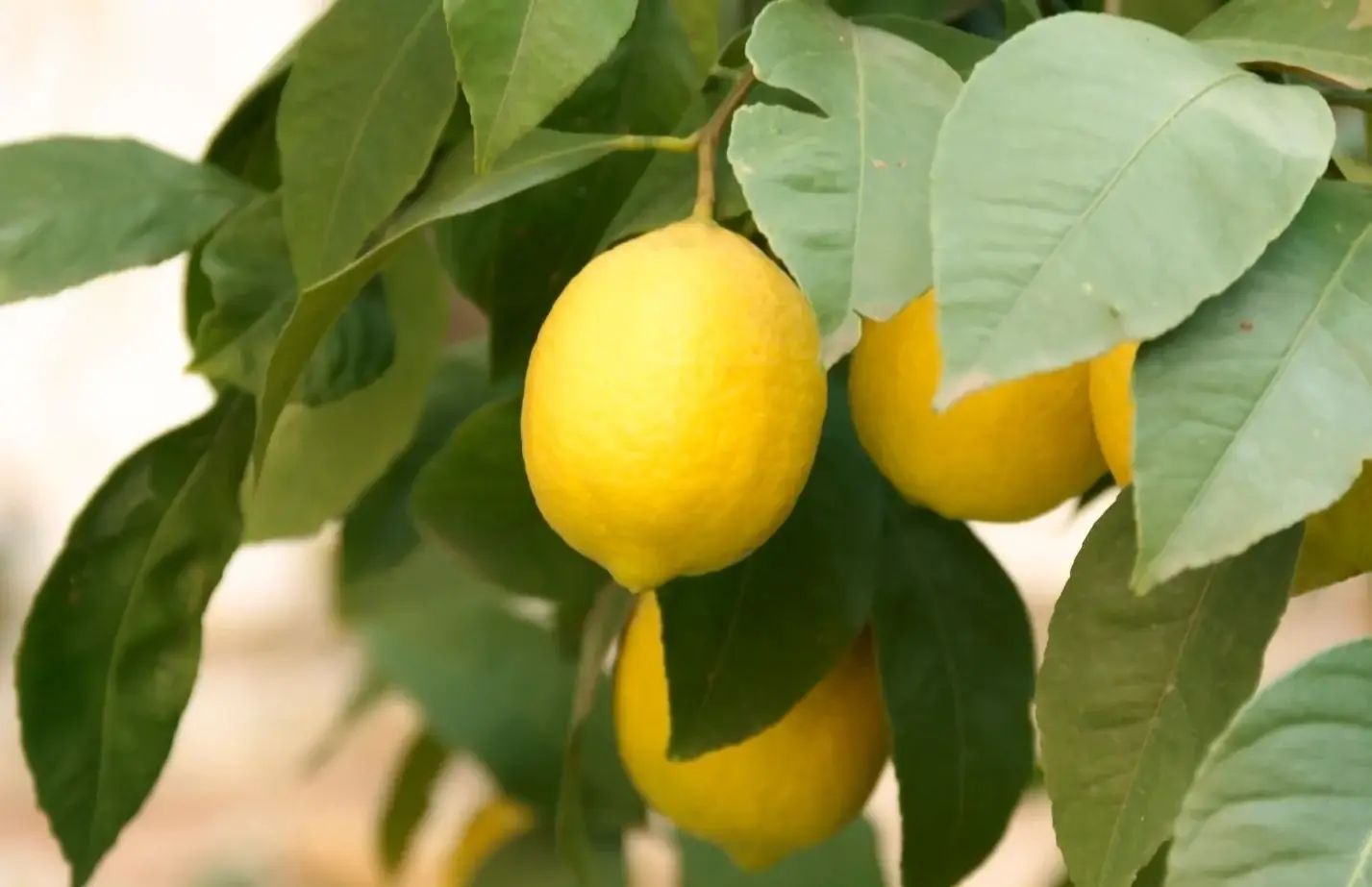
1. Lemon (Australian slang)
In Australian slang, a ‘lemon’ is a dud, and the word is most commonly used to describe a car that doesn’t quite do what it’s meant to.
Somewhere along the line, that same logic was (ahem) transferred onto women who didn’t quite meet certain men’s expectations. This theory pops up a lot, even if there’s no actual evidence linking the two uses of the word.
These days, the word’s largely softened into something close to affectionate, and is often used in-community.
You big lemon.
2. Le$bean - or Le Dollar Bean, if you’re feeling fancy (Internet slang)
What started as an algorithm workaround has now become a term in its own right.
When people were looking for ways to bypass moderation filters on platforms like TikTok and Instagram, they realised that by swapping out a letter here or tweaking the spelling there, they could talk more openly about queer identities without having their content buried or flagged.
And, for what it’s worth, I do feel faintly sophisticated and French when I say ‘Le Dollar Bean’.
(If you’re interested in how platforms like TikTok are reshaping the way we speak online, this article is worth a read.)
3. Gay woman (English)
For a large chunk of the 20th century, especially before the growth of lesbian-specific organising, ‘gay’ was often used as a catch-all term for queer people of all genders. So you’d frequently hear women described simply as ‘gay women’, rather than by a distinct label.
In the 1970s, lesbian feminists pushed more deliberately for the use of lesbian as a way of naming women’s specific experiences within queer communities that were often male-dominated.
Interestingly, the pendulum has swung back a little in recent years. Some people now prefer ‘gay woman’ again, finding lesbian a bit formal, political, or old fashioned sounding.
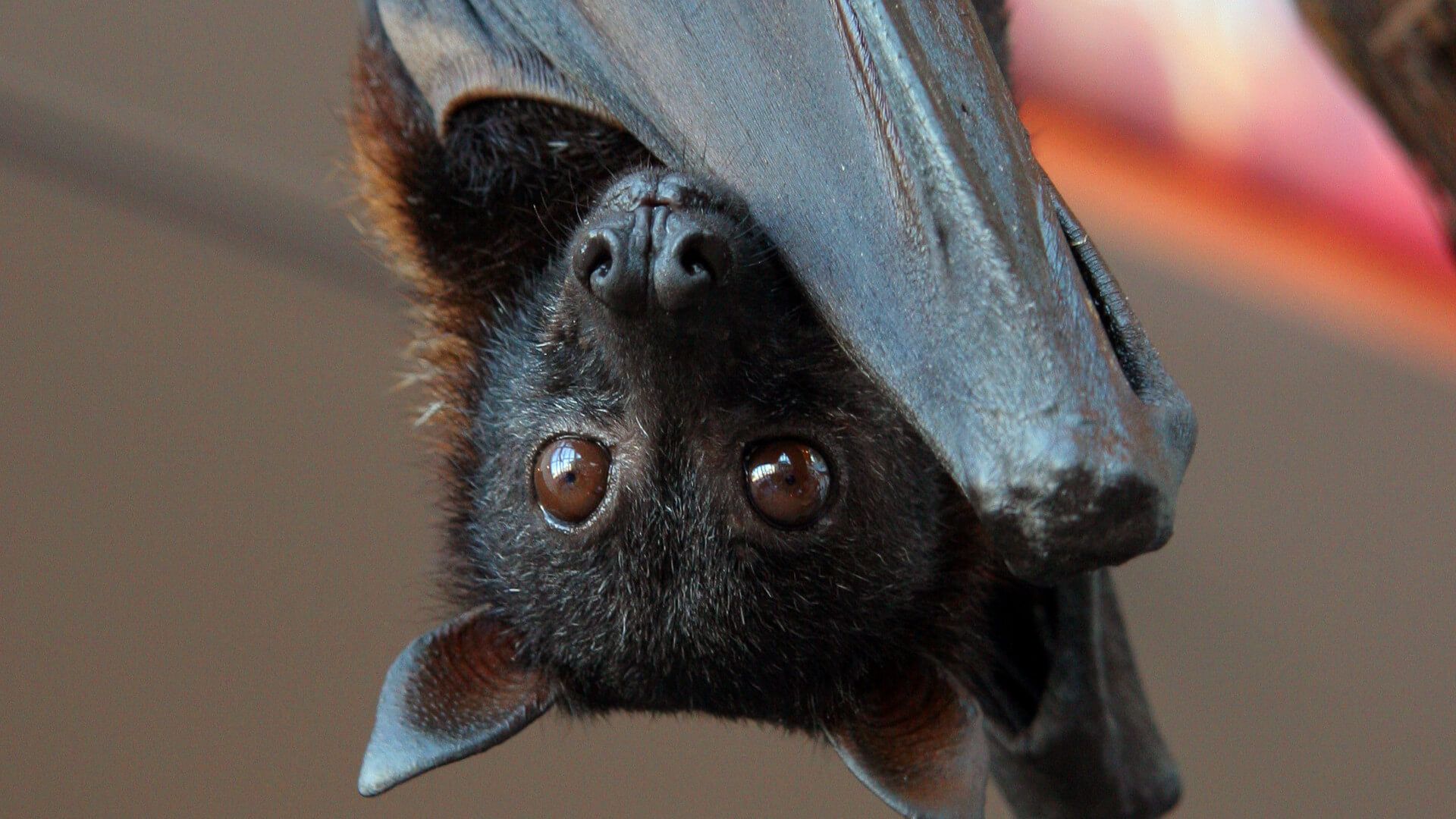
4. Lepakko (Finnish)
Literally, the word translates to ‘bat’.
In Finnish slang, though, it’s used to mean a lesbian.
The origin story is a little bit unclear (get used to that refrain), but one common theory is that it began as a term to describe an older woman (a bit like the English phrase ‘old bat’).
And then, somewhere along the way, it seems to have drifted into queer slang. No one knows exactly why, but perhaps it was helped along by the happy coincidence that lepakko and lesbian both start with an L?
5. Little Dutch Boy (US slang)
‘The Little Dutch Boy’ is the name of a fictional folk tale invented by an American writer in the 19th century, about a child who saves his town from flooding by plugging a leaking dike (the embankment kind) with his finger overnight.
I probably don’t need to spell out how that image was eventually twisted, stretched and nudged into service as a slang term for a lesbian.
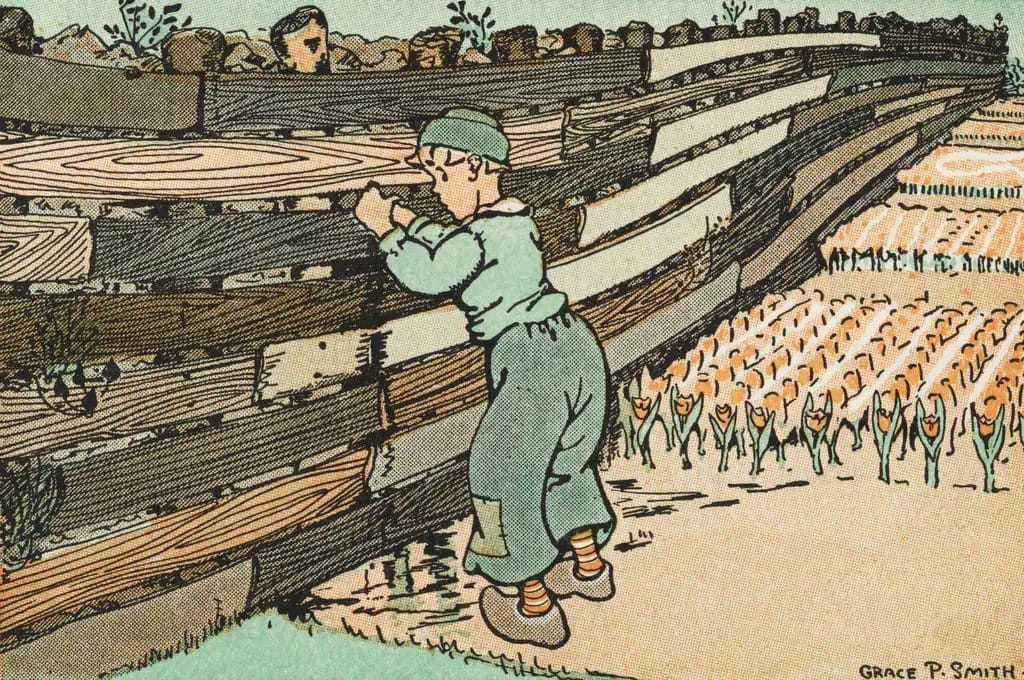
the little dutch boy, with his finger in the dike
6. Tribade (Ancient Greek, early modern European use)
From the Greek tribein, meaning ‘to rub’. The word crops up in classical sources and then all over early modern European medical and erotic writing as a way of describing women who had sex with women.
It enters English in the 1600s and sticks around for centuries as one of the default terms for lesbian relationships in literature.
And the most ludicrous thing I discovered while researching this word? Writers and physicians of the time were so confused by the idea of sex between women that they decided some lesbians must have an enlarged clitoris to make penetrative sex possible.
7. Lella (Italy, internet slang)
Back in 1996, Italy’s first lesbian online community launched, Lista Lesbica Italiana (LLI).
It was peak early internet (a big listserv, chat forums, and images that took 20 minutes to load), where hundreds of women connected long before social media existed.
And, over time, the abbreviation ‘LLI’ (pronounced le-li) became so widely used within the community that it took on a life of its own, eventually morphing into the slang term lella.
8. Sapatão (Brazilian Portuguese slang)
The literal translation is ‘big shoe’. In its slang use, it’s believed to have emerged in the 1970s to describe a woman who didn’t conform to traditional ideas of femininity (someone who, quite literally, wore ‘big shoes’).
The term was then popularised by the 1981 Carnaval song ‘Maria Sapatão’.
Though it was originally used as a slur, over time the word’s been reclaimed by many Brazilian lesbians and is now often used casually or affectionately (especially in the shortened form sapa).
9. Lezza / Lez (British slang)
A simple British shortening of lesbian. It’s not clever. It’s not sophisticated. It’s not poetry.
But, you know what it is? it’s just a really fun word to say out loud. Go on. Give it a try.
In all seriousness, though, while it’s often used in a jokey, affectionate way, it can also be heard as a slur. So do be mindful of context and company.
10. Camionera (Spanish slang)
When a slang term isn’t making a crude joke about sex, it’s usually poking fun at the supposed masculinity of lesbians. This one falls squarely into that second category.
It literally translates to ‘female truck driver’ and is used as slang in parts of Latin America.
11. Dyke / Dike (English slang)
One of the most recognisable slang terms for a lesbian, and one we strangely know very little about in terms of its origin. It’s usually traced back to ‘bulldyke’, but even that comes with more questions than answers.
What is clear, though, is the journey the word has taken over the years.
Starting life as a pretty vicious slur, it was reclaimed, very deliberately and very loudly, by lesbian feminists in the 1970s and 80s, particularly in protest movements like the Dyke March.
Now, in the right context, it’s worn as a defiant badge of pride.

12. Zami (Carriacou/Caribbean)
Introduced to a wider audience by Audre Lorde in her 1982 biomythography ‘Zami: A New Spelling of My Name’. In the book, Lorde explains that zami is a word from Carriacou (the Caribbean island her mother came from), meaning ‘women who work together as friends and lovers.’
(and, no, your eyes aren’t deceiving you. I did write ‘biomythography’, a genre created by Lorde which combines history, biography and myth).
13. Lāzi (拉子) (Taiwanese Mandarin slang)
A widely used, generally positive colloquial term for lesbians (and sometimes bisexual women) in Taiwan.
The word was popularised through Taiwanese writer Qiu Miaojin’s 1994 novel ‘Notes of a Crocodile’, which uses the metaphor of a crocodile to represent a homosexual person forced to live in disguise in a heterosexual society.
Its protagonist, Lazi, became a bit of a celebrated figure for readers, helping to cement the term in popular culture.
POLL: How do you feel about reclaimed words like 'dyke' or 'queer'? |