- Queer Word
- Posts
- 👭 when did 'sapphic' replace 'lesbian'? 👭
👭 when did 'sapphic' replace 'lesbian'? 👭
is it a more inclusive term, or just a muddying of the waters?

K Anderson
April 03, 2026
QUEER WORD
WHEN DID ‘SAPPHIC’ START REPLACING ‘LESBIAN’?

What They Mean:
Lesbian typically refers to a woman who is romantically and/or sexually attracted to other women.
Sapphic is a broader, more inclusive term that describes attraction between women, and can include lesbians, bisexual women, pansexual women, and other women who experience attraction to women.
Let’s Use It In A Sentence:
Esther's mum had only just gotten used to her being a lesbian when she noticed that Esther had started calling herself sapphic instead. Her mum's trying to be supportive, but if this means buying a new flag, she's out.
So, Should You Use Lesbian or Sapphic?
If there’s one thing I’m always banging on about, it’s that language evolves. Terms change. What was once commonly used can start to feel dated as we learn more about how words are heard, share our experiences, and update our vocabulary.
But what do we lose when we give up the old terms?
After all, they’re never like-for-like swaps. There can be subtle (or not so subtle) differences in meaning, which means we might be saying something ever-so-slightly different when we start using the updated language. Are we sometimes too quick to throw out the history, nuance, or specificity that older words carry?
Take the current back-and-forth between sapphic and lesbian, for instance.
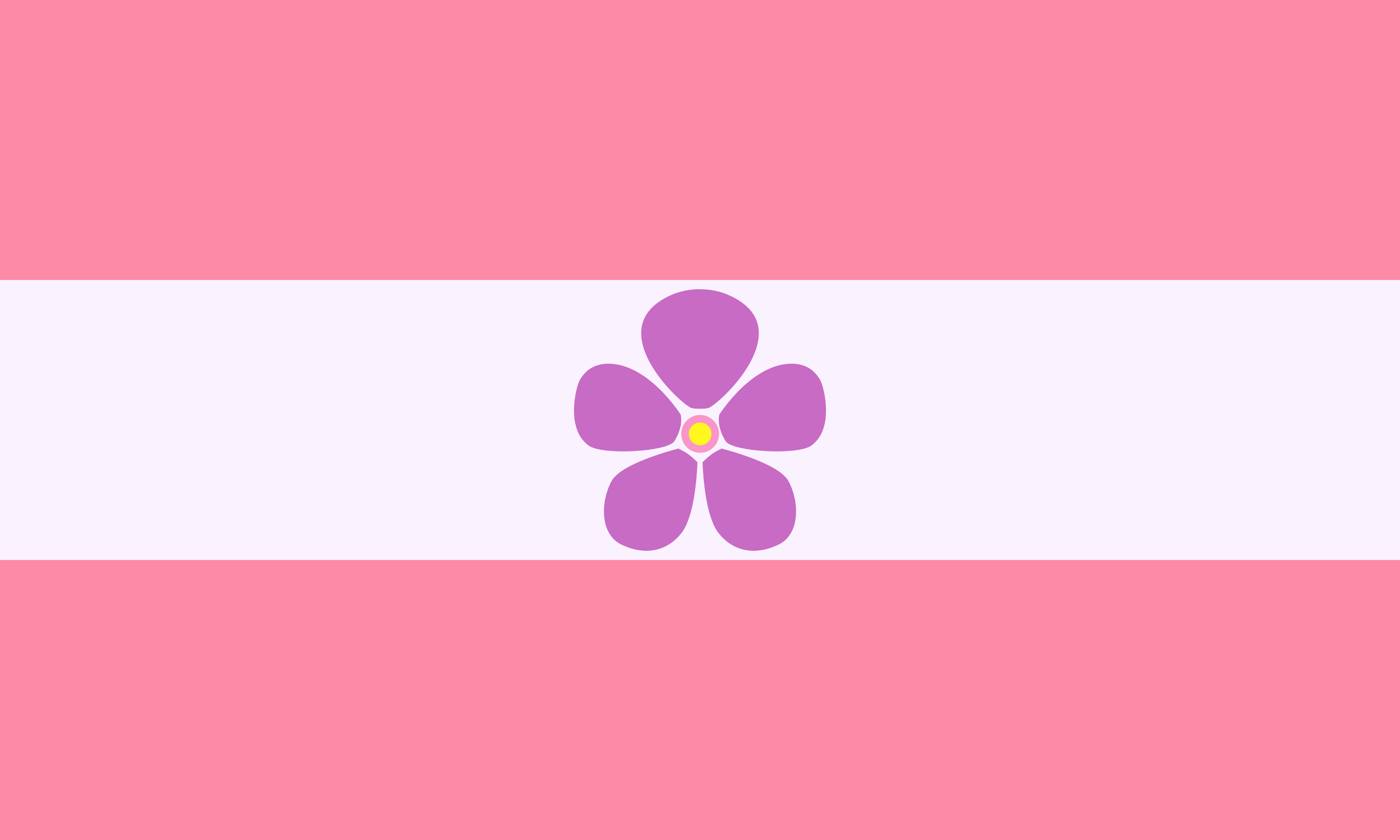
the sapphic flag, attribute to Tumblr user lesbeux-moved (often referred to as Cayla).
Sapphic seems to have slipped into common use for a few reasons, including:
It works better as a broader, more inclusive umbrella term for women or non-binary people attracted to women, whether they identify as bi, pansexual, omnisexual, or something else. It is inclusive of lesbian identities, but also makes room for a wider range of experiences that don’t sit neatly under that label.
The word lesbian has become somewhat fraught, with TERFs wanting to police who can and can’t identify as a lesbian. That, in turn, has led some people to distance themselves from the word, either because they don’t want to appear aligned with TERF politics or because they’d rather avoid stepping into that murky §argument altogether.
And then there’s the algorithm problem. On some platforms, the word lesbian is more likely to get censored, suppressed, or treated as explicit, which means people end up using sapphic simply because it’s easier to exist online without being shadowbanned.
And all of that makes sense, right?
But what this shift to sapphic misses is the history and the richness of the word lesbian, which isn’t just a descriptor, but a term loaded with history, struggle, specificity, and political self-definition.
The people who are more protective of lesbian tend to be coming from that angle. They remember how much women had to fight to be recognised under that name, and because of that, they think it’s worth holding on to.
A (Very) Whistlestop History of the Modern Use of Lesbian
Up until around the 1970s (depending on where you are in the world) the term gay was often used as this kind of catch-all or anyone who might now fall somewhere under the LGBTQ+ umbrella. The trouble was that, in practice, ‘gay’ very often defaulted to meaning cis-men. So whenever conversations about ‘gay people’ were happening, the focus had a habit of landing on gay men, while women who loved women were treated as an add-on or an afterthought (or, worse, not even considered at all).

the most common lesbian flag (sometimes called the ‘Sunset’ flag), which is attributed to Tumblr blogger Emily Gwen
That’s part of why lesbian became so politically important. It helped carve out space for women who loved women to be recognised in their own right, rather than constantly being overlooked. Claiming lesbian more explicitly wasn’t just about semantics. It was about taking up space.
And that’s why it carries such weight. It contains decades of political struggle, community-building, and hard-won visibility.
So, yeah, no one is disagreeing that the term sapphic can feel useful and inclusive. But when it starts being used in place of lesbian, some people feel that something gets lost.
Not because sapphic is a bad word. But because it doesn’t mean exactly the same thing.
And I think that’s the bit I keep getting stuck on.
Inclusive language can be helpful. It can open things up. But sometimes, in making language broader, we also make it less specific. And sometimes that specificity was there for a reason.
So, once again, I’ve come to the end of an article without a neat conclusion or a definitive answer.
Language is messy. Sometimes words gain traction, sometimes they don’t.
Maybe sapphic will keep growing. Maybe lesbian will see its popularity surge once again. Maybe they’ll settle into doing slightly different jobs. And maybe it’s not as significant as I’m making it sound?
I’d love to know what you think. Answer the poll below and let me know!
POLL: Lesbian or Sapphic - which term do you use? |