- Queer Word
- Posts
- ❓️ Bi vs. Pan vs. Omni - What the Heck is the Difference? ❓️
❓️ Bi vs. Pan vs. Omni - What the Heck is the Difference? ❓️
three overlapping but distinct labels, what they mean, and why people choose the ones they do

K Anderson
January 02, 2026
QUEER WORD
Bisexuality, Pansexuality, Omnisexuality - What the Heck is the Difference?
If you’ve been around the block as many times as me, then you’re probably pretty used to the L, the G, the B and the T.
But, then, seemingly out of nowhere, a bunch of other letters have crept in, and you’re too embarrassed to ask anyone what they mean and/or you’ve left it too long and before you know it you’re left thinking ‘hmm… what exactly am I missing here? Are these terms all describing the same thing, or are there real differences I’ve somehow skipped over?’.
Well, fear not, for you’re not alone in wondering!
Pansexual and omnisexual are two of the newer labels people tend to stumble over. They’re often lumped together with bisexuality, argued over endlessly online, or treated as if they’re completely interchangeable. And while there are definite overlaps and similarities, they’re not quite the same thing.
All three describe attraction to more than one gender, but they frame that attraction in slightly different ways.
Let’s take a closer look one by one.
Bisexuality
Ah, the OG! This term has been around for yonks, with some estimates putting its first use as far back as mid-1800s (though it really only came into common use in the 1970s).
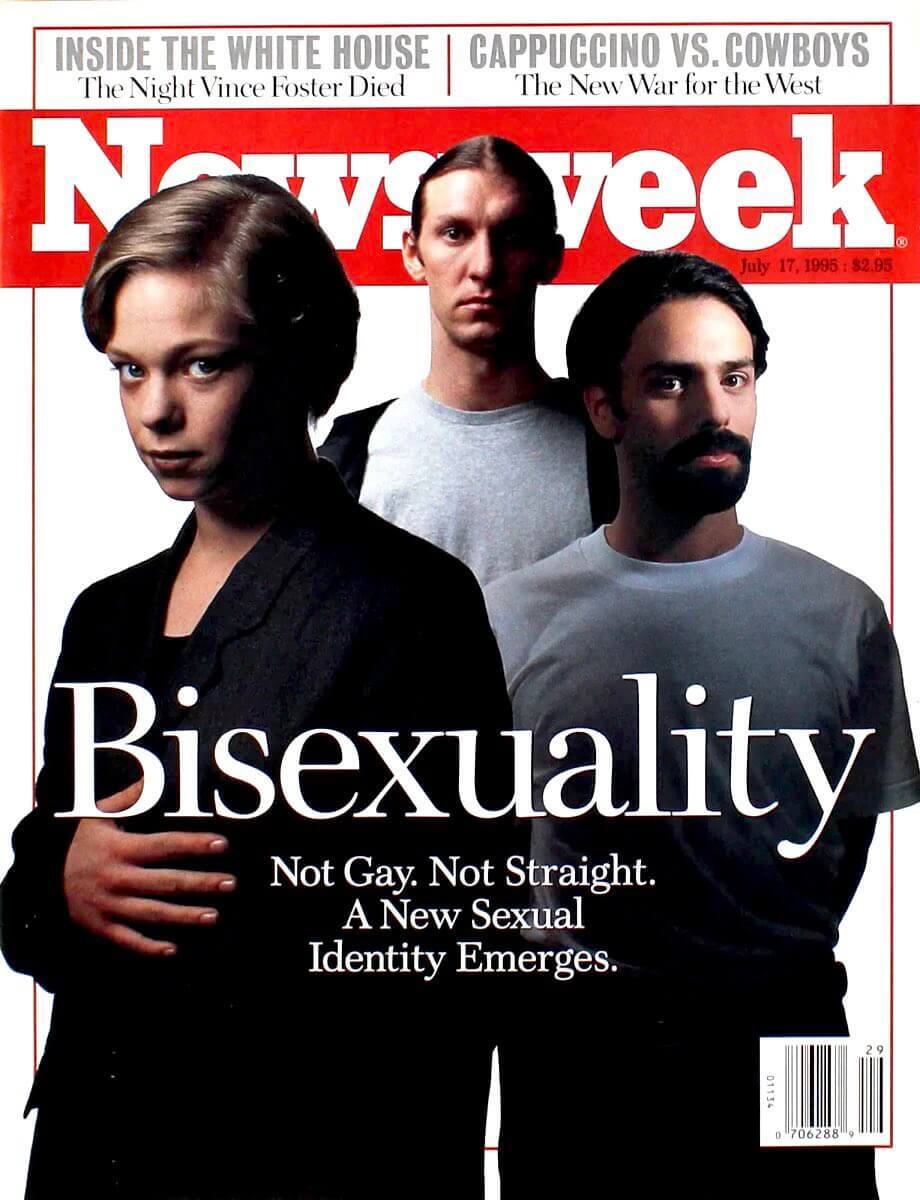
the often-mocked cover of Newsweek from July, 1995, which seems to frame bisexuality as a brand-new sexual identity
Bisexual is usually defined as attraction to more than one gender.
That’s it. That’s the core of it.
And, yet, in recent years, the term seems to have acquired a slightly undeserved reputation. Largely, this comes down to a stubborn misconception that bisexuals are only attracted to two genders (because of the ‘bi’), and therefore excludes trans or non-binary people.
This is, frankly, a load of crap, but the idea seems to have stuck around because it’s been repeated often enough to feel like common sense in some corners of the internet.
In actuality, bisexuality has always been a broad and flexible label. Many bi people describe their attraction as:
attraction to the same gender and different genders, or
attraction to multiple genders (but not necessarily in the same way or to the same degree).
Pansexuality
Pansexual is usually described as attraction regardless of gender.
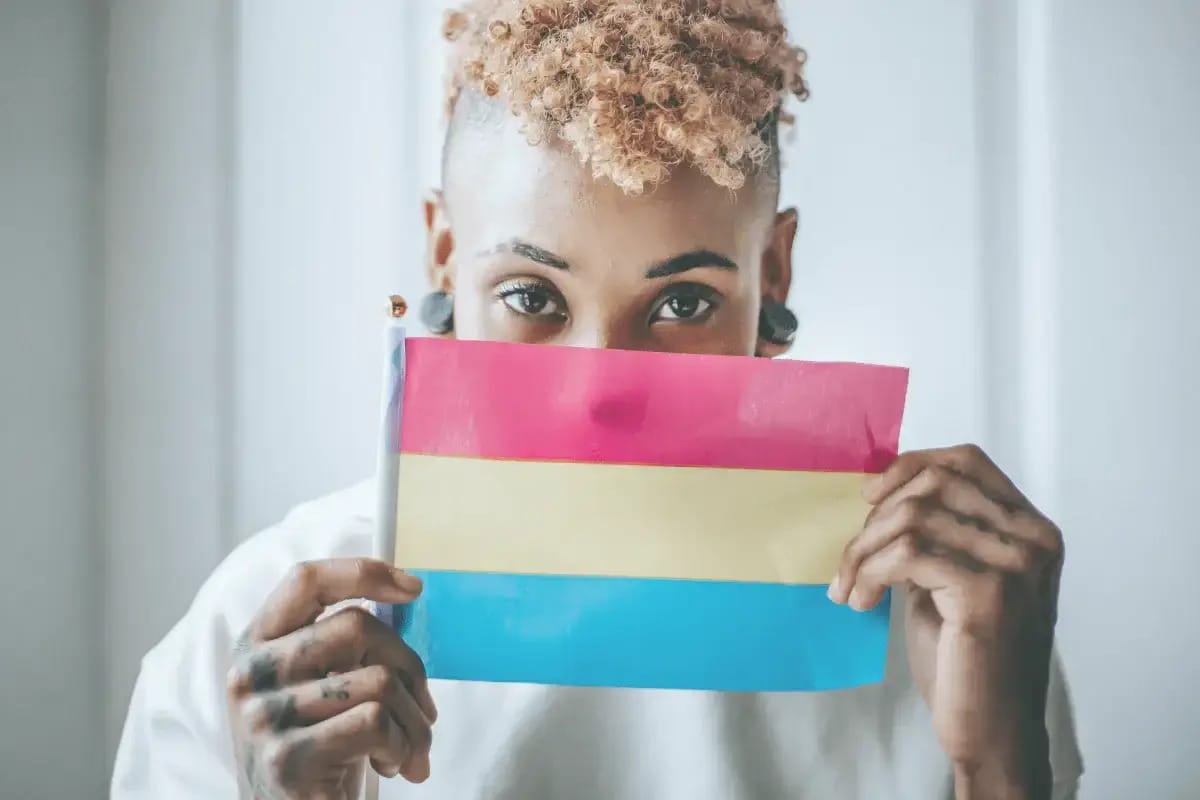
the pansexual flag
People who identify as pansexual often want to emphasise that gender isn’t a determining factor in who they’re attracted to. They’re attracted to the person/being/essence first, and don’t consider gender to be a defining factor in how this attraction forms.
You’ll even sometimes hear pansexuality described as ‘gender-blind’ (though not everyone likes that term).
Pansexuality gained wider traction in the late 20th and early 21st centuries, particularly alongside growing visibility and recognition of non-binary identities.
For some people, identifying as pan over bi is about clarity, and feels more precise to their experience. For others, it’s about explicitly signalling inclusion of trans and non-binary people (even though, again, bisexuality has always included that).
Omnisexuality
Right, so this is where it can start to feel a bit more abstract.
If pansexuality is about attraction regardless of gender, then omnisexuality is more about recognising that gender can still shape how attraction is experienced.

the omnisexual flag
I find this one hard to explain, so an example here might help. A pansexual person might say ‘gender isn’t something I think about when I’m attracted to someone.’, whereas an omnisexual person might say ‘gender is part of how I experience attraction, even though I’m attracted across the board.’
Omnisexual is far less commonly used label than the other two (which is why there’s no O in the ever-expanding LGBTQIA+ acronym), but for some people that specificity is important.
Ok, ok… I think I’m still confused. What’s the actual difference?
So, if you’re still confused, the headline, absolute-shortest-possible-version for each term goes something like this:
Bisexual: attracted to more than one gender
Pansexual: attracted regardless of gender
Omnisexual: attracted to all genders, with gender still playing an important role in attraction
As you’ve probably noticed, these definitions all overlap. People tend to use them in their own, sometimes idiosyncratic ways. Two people might experience attraction in very similar ways and still choose different labels, simply because one feels right and the other one doesn’t.
And what feels right to them could differ based on all sorts of things. When they came out, where they came out, what communities they found themselves in, and which label happened to resonate with them first.
But, that doesn’t make any of theses identities less coherent or less valid.
It just means they’re doing what language is supposed to - giving people a way to talk about their messy, expansive, delicious and very human existences. And if we’re comfortable with the idea that there are 50 words for snow, why is it so strange that we might have multiple words for sexuality?
POLL: Before reading this, did you know the difference between bi/pan/omni? |
AD